How AI Receptionists Work: Everything You Need to Know (2026)
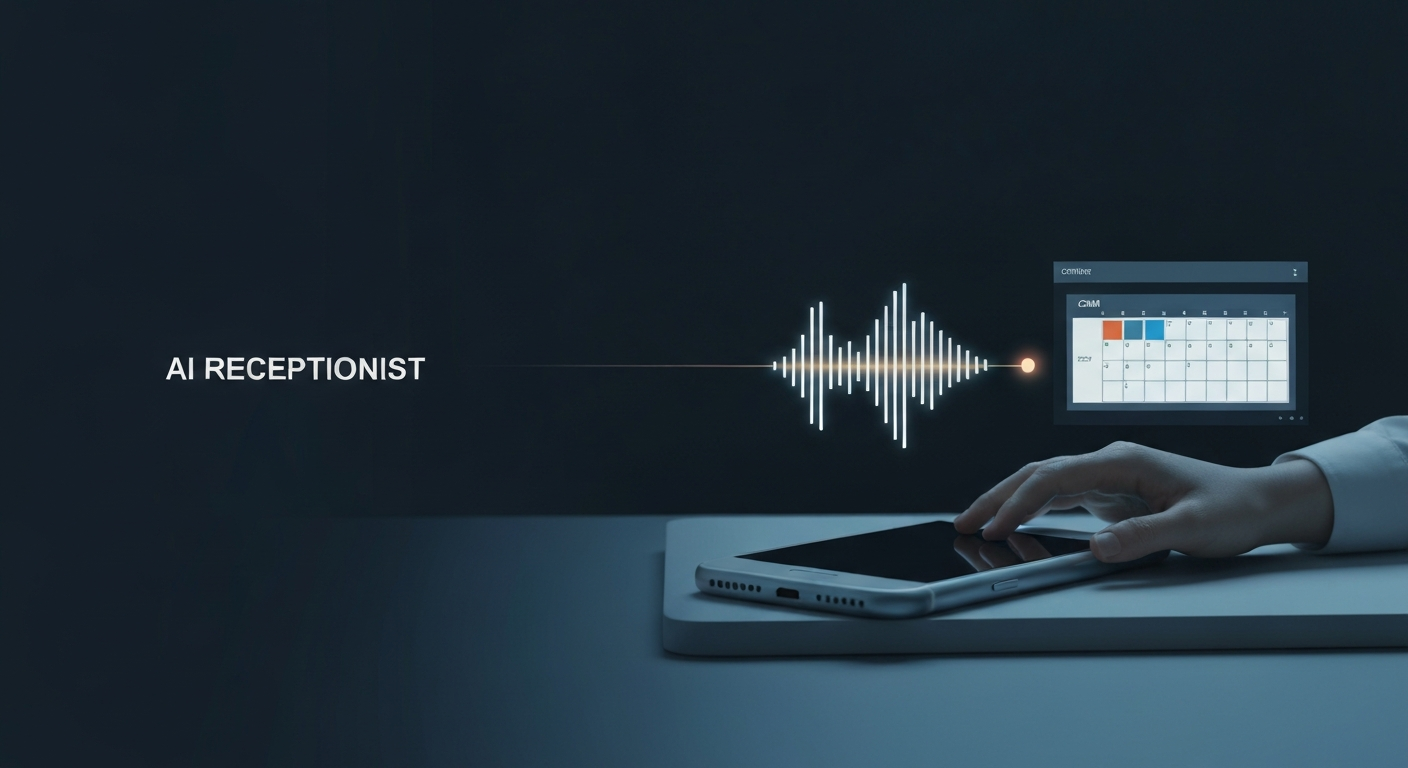
It Feels Like Magic—But It's Actually a Well-Designed Process
If you've never spoken to an AI receptionist before, it's easy to imagine something robotic.
Many people picture: "Press 1 for Sales." "Press 2 for Support." Long pauses. Confusing menus. Mechanical voices.
Instead of forcing callers through complicated phone menus, they hold natural conversations. Customers simply speak normally.
The AI listens, understands what they're trying to achieve, and responds appropriately.
To the caller, it feels much more like speaking to a helpful receptionist than interacting with traditional phone software.
So how does that actually happen? Let's break it down step by step.
The Step-by-Step Process
From the moment the phone rings to the final appointment confirmation, here is exactly how an AI receptionist handles a call.
Step 1 – A Customer Calls Your Business
From the customer's perspective... nothing changes. They dial your existing business number exactly as they always have. No special apps. No complicated setup. No new phone number.
Step 2 – The AI Answers Immediately
Instead of waiting for someone to become available, the AI answers within seconds. For example:
"Good morning. Thank you for calling Dataspec Patrick Reidin. How can I help you today?"
The greeting can be customised to match your business. Professional. Friendly. Natural. Customers simply begin talking.
Step 3 – The AI Listens
This is where modern AI differs from traditional phone systems. Older systems forced callers to choose from menus. Modern AI listens to natural speech.
For example, a customer might say:
"I'd like to book an appointment for next week."
The AI identifies the customer's intent rather than simply listening for keywords.
Step 4 – The AI Understands the Request
Using conversational AI, the system determines what the customer wants, which service they're asking about, whether they need information, whether they want to book, or whether they should speak to someone immediately.
Instead of following a rigid script, the conversation adapts naturally based on the caller's responses.
Step 5 – The AI Takes Action
Once it understands the request, the AI can answer common questions, book appointments, collect customer details, transfer the call, send notifications, create follow-up tasks, or arrange callbacks.
What You Can Do Today
Think about the five most common questions your business receives by phone.
Chances are, those are the first conversations an AI receptionist could be trained to handle. That doesn't replace your expertise—it simply frees your team to focus on more complex conversations.
Step 6 – The AI Can Book Appointments
One of the biggest advantages of an AI receptionist is that it doesn't just answer questions—it can also take action.
Imagine someone says: "I'd like to book a consultation next Tuesday afternoon."
Instead of taking a message and asking someone to call back later, the AI can:
- Check available appointment times.
- Offer suitable options.
- Confirm the booking.
- Send a confirmation by email or SMS.
- Schedule reminders before the appointment.
The entire process can happen during the same phone call.
Step 7 – The AI Connects with Your Business Systems
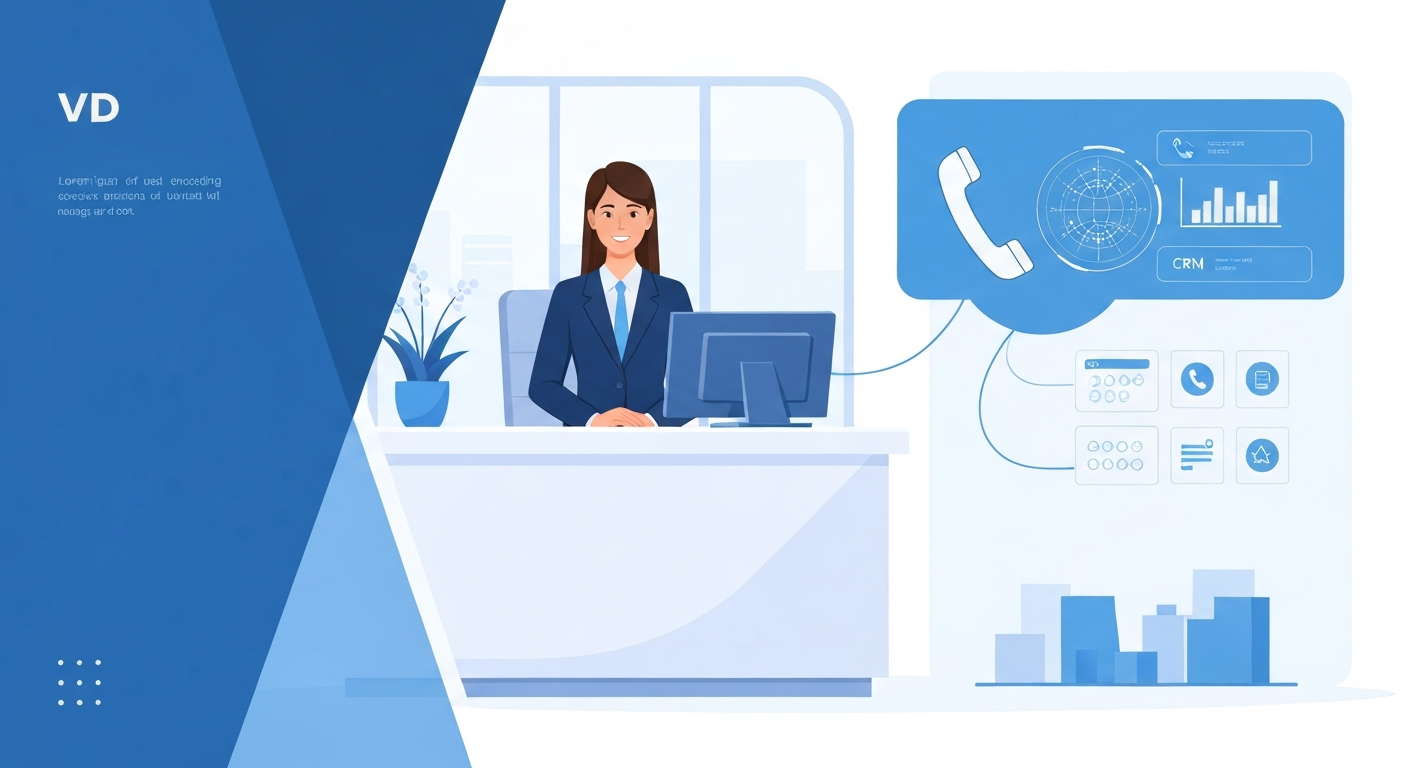
An AI receptionist becomes even more valuable when it works alongside the tools your business already uses. Depending on your workflow, it can connect with Calendars, CRM systems, Contact forms, Email, SMS notifications, and Internal task management.
Step 8 – The AI Knows When to Transfer the Call
A common misconception is that AI tries to handle every conversation. Good AI doesn't. It recognises when a customer needs to speak with a person.
Examples include sensitive complaints, complex technical questions, existing client issues, or high-value sales enquiries. In those cases, the AI can transfer the call immediately, take a detailed message, or arrange a callback.
Step 9 – Every Conversation Can Be Logged
Phone calls often contain valuable information. An AI receptionist can help organise that information automatically, such as customer name, contact details, reason for calling, and appointment details. Keeping this information organised reduces manual administration.
Step 10 – The System Keeps Improving
Your business evolves. Your AI receptionist should evolve with it. As you introduce new services, change opening hours, or update processes, the AI can be updated to reflect those changes.
What Happens If the AI Doesn't Know the Answer?
It shouldn't guess. If the AI encounters a question outside its configured knowledge, it should ask a clarifying question, offer to transfer the caller, take a detailed message, or arrange a callback.
Is It Secure?
Yes. A professionally implemented AI receptionist should be configured to handle customer information responsibly, limit access, follow privacy regulations, and integrate safely with approved systems.
A Real-World Example
Imagine a dental clinic. At 7:45 PM, a patient calls to arrange a routine check-up. Instead of hearing voicemail, they're greeted by the AI receptionist.
Caller: "I'd like to book a dental check-up."
AI: "Of course. Are you an existing patient or is this your first visit?"
Caller: "I'm already a patient."
AI: "Thank you. Let me check the next available appointments."
The AI offers available times, confirms the booking, and sends a confirmation message. The following morning, the reception team arrives to an updated calendar instead of a voicemail waiting to be processed.
Common Myths
"Customers Prefer Waiting for a Person"
Most customers don't enjoy waiting. They appreciate fast, accurate assistance. When routine enquiries are handled efficiently, everyone benefits.
"The AI Has to Answer Everything"
Not at all. A well-designed AI knows when to involve a member of your team. Its role is to improve customer experience—not replace professional judgement.
"Implementation Is Complicated"
The customer's experience is simple. They continue calling your existing business number. Behind the scenes, the system is configured to reflect your services and workflows.
Conclusion
An AI receptionist isn't a complicated piece of technology hidden behind confusing menus. It's a practical business tool designed to improve communication.
By answering calls immediately, understanding customer requests, booking appointments, integrating with your business systems, and knowing when to involve your team, it helps create a faster and more consistent customer experience.
The result isn't just greater efficiency. It's happier customers, fewer missed opportunities, and a business that's easier to contact whenever people need you.
Frequently Asked Questions
Ready to transform your business?
Get a custom strategy for AI Receptionists, Local SEO, and Business Automation tailored to your needs.
Contact Dataspec Patrick Reidin today